Verification Vaults: How Multi-Step Security Checks Shape Account Activation Rates at Wagering Services
Henrik Müller · Sep 13, 2026
Verification Vaults: How Multi-Step Security Checks Shape Account Activation Rates at Wagering Services
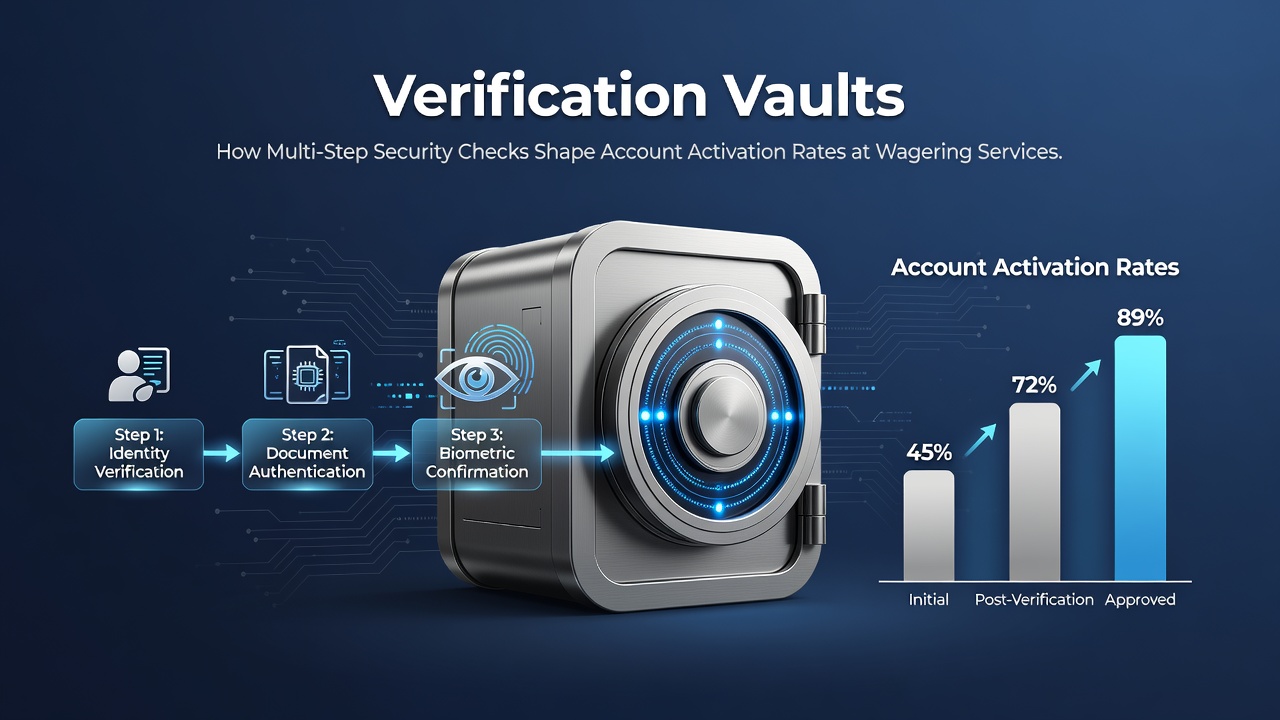
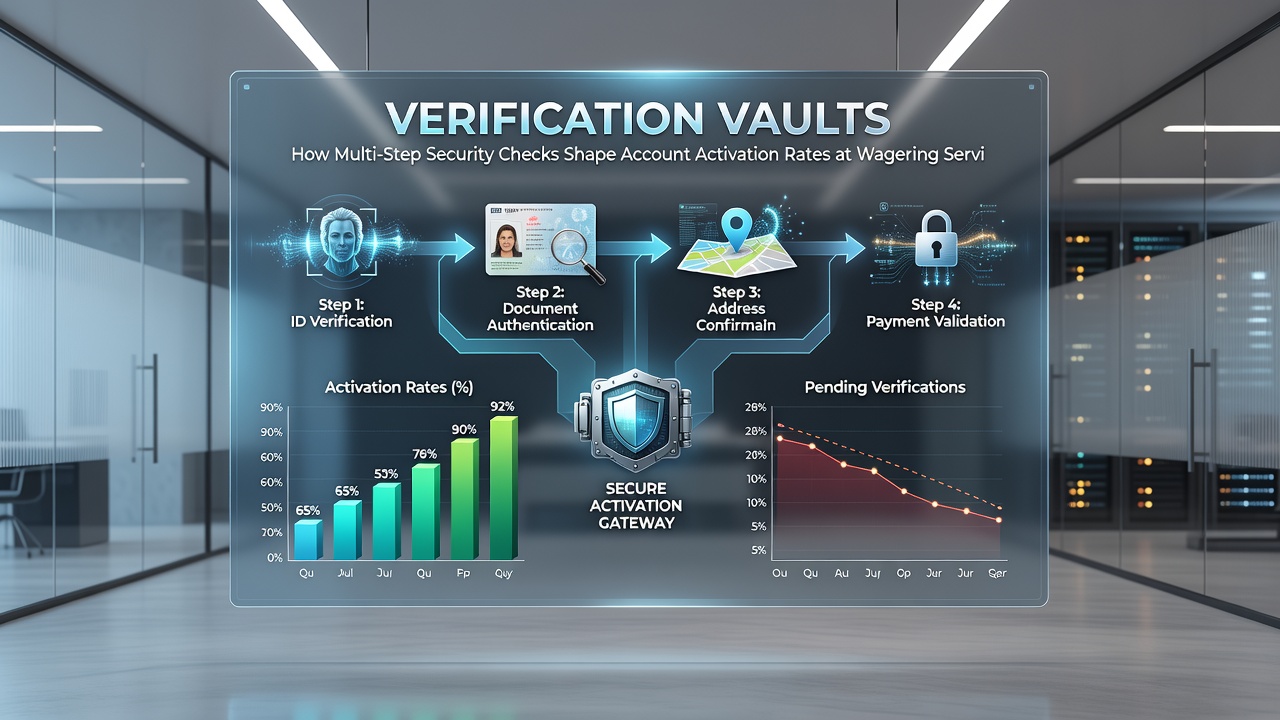
Multi-step verification processes at wagering platforms combine identity confirmation, address validation, and payment method checks into structured sequences that directly influence how many new accounts reach active status. These layered systems, often called verification vaults, require users to complete successive stages before full betting access opens, and data from industry reports shows completion rates vary widely depending on the number of steps and the clarity of instructions at each stage.
Research from academic sources indicates that platforms using three or more sequential checks experience activation drops of 20 to 35 percent compared with those using two or fewer. The pattern holds across multiple markets because each additional requirement introduces friction points where users abandon the process. Observers note that the effect becomes more pronounced when documents must be uploaded rather than verified through automated database matches.
Core Components of Verification Sequences
Most wagering services structure their checks around three primary layers. The first involves basic identity data such as name, date of birth, and government-issued identification numbers. The second layer typically requires proof of address through utility bills or bank statements, while the third confirms payment details through card verification or bank linkage. Each layer serves distinct regulatory purposes, yet the cumulative time and effort required can reduce the share of users who finish all stages.
According to figures from the Nevada Gaming Control Board, platforms operating under state oversight reported average activation rates of 68 percent in 2025 when verification involved automated document scanning followed by a single manual review. Rates fell to 47 percent when users faced separate submissions for identity, address, and source-of-funds declarations. The board's data covers multiple operators and shows consistent correlation between step count and completion.
Regional Variations in Activation Outcomes
Different jurisdictions apply distinct verification standards that produce measurable differences in activation. In Pennsylvania, where the gaming control board mandates address verification within 30 days of registration, operators record higher early-stage drop-offs than in states allowing 60-day windows. European operators following directives from the Malta Gaming Authority often integrate bank verification earlier in the sequence, which researchers link to slightly higher completion among users who already hold accounts at partnered financial institutions.
One study released in early 2026 examined 12 platforms across North America and Australia and found that activation rates improved when verification steps were grouped into a single session rather than spread across multiple logins. The analysis, conducted by researchers at the University of Nevada, Reno, tracked more than 180,000 registration attempts and noted that users who encountered all requirements within 15 minutes of initial signup completed activation at rates 12 percentage points higher than those prompted to return later.
Impact of Timing and Communication
Timing plays a significant role in whether users persist through verification. Platforms that send reminder notifications within 24 hours of an incomplete step maintain higher activation levels than those relying on users to remember unprompted. Data compiled by the European Gaming and Betting Association for the period ending September 2026 shows a 9 percent lift in completed verifications when operators used in-app messages rather than email alone.
Clear instructions also matter. When platforms provide examples of acceptable documents and real-time status updates, fewer users submit incorrect files that trigger additional review cycles. Multiple operators reported that replacing generic upload prompts with annotated templates reduced repeat submissions by roughly one quarter, which in turn raised overall activation percentages.
September 2026 Trends and Regulatory Shifts
During September 2026 several state regulators introduced updated guidelines requiring source-of-funds declarations for accounts exceeding certain deposit thresholds. Early data from operators in New Jersey and Michigan indicates these additions extended average verification time by 14 minutes and produced a temporary dip in activation rates of 8 to 11 percent before adjusted workflows restored some of the lost completions. The changes align with broader efforts to strengthen anti-money-laundering controls while maintaining user pathways to active accounts.
Industry analysts tracking these adjustments note that platforms investing in pre-verification tools, such as instant bank verification partnerships, recovered activation rates faster than those maintaining manual document review throughout the process. The pattern suggests that technological integration can offset some of the friction introduced by expanded regulatory requirements.
Conclusion
Verification sequences at wagering services function as gatekeepers that balance regulatory compliance with user progression to active betting status. Evidence from regulatory filings, academic analyses, and operator performance data consistently shows that the number of steps, timing of requirements, and quality of user guidance determine how many registrations convert into activated accounts. As standards evolve in 2026 and beyond, platforms continue to test configurations that satisfy oversight bodies while preserving measurable activation outcomes.