Mapping Navigation Hierarchies That Shape Bettor Onboarding at Digital Wagering Operators
Tina Sullivan · Oct 25, 2026
Mapping Navigation Hierarchies That Shape Bettor Onboarding at Digital Wagering Operators
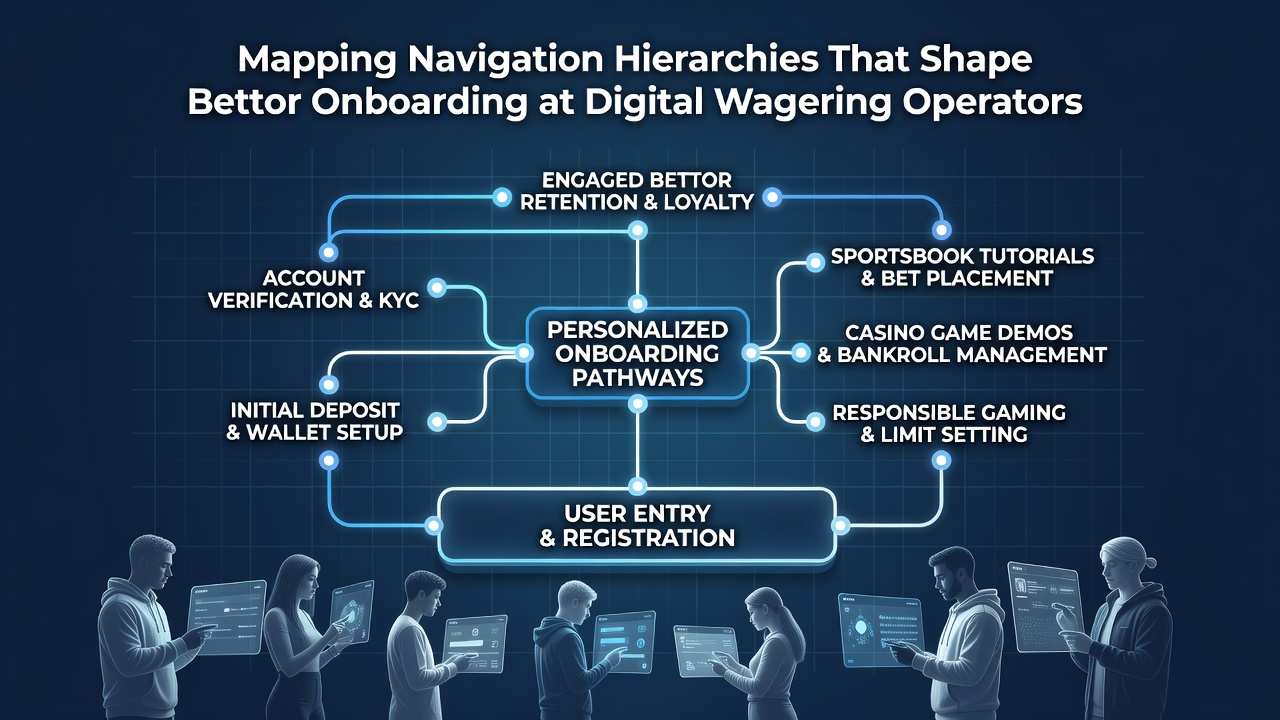
Digital wagering operators organize their sites through layered navigation hierarchies that directly influence how quickly first-time visitors complete registration flows, and data from industry analyses in October 2026 shows these structures continue to evolve as platforms prepare for major events like the 2026 FIFA World Cup. Researchers tracking user behavior across multiple markets note that clear menu arrangements, footer indexes, and internal linking patterns reduce friction during the transition from browsing to verified account creation.
Core Elements of Site Navigation Hierarchies
Operators typically build primary navigation bars that feature prominent links to sports markets, promotions, and account setup sections while secondary menus expand into regional leagues or live betting options, yet the placement of these elements varies by jurisdiction and platform design philosophy. Observers note that sites operating under frameworks from bodies such as the Alcohol and Gaming Commission of Ontario often prioritize verification prompts within the first two clicks, whereas platforms regulated by the Australian Communications and Media Authority integrate responsible gaming resources alongside registration pathways to maintain compliance without slowing user momentum.
Internal site structures further connect homepage banners to dedicated signup landing pages through both visible buttons and hidden hyperlinks embedded in promotional text, and this dual approach allows operators to track which navigation routes convert at higher rates during peak traffic periods. Studies conducted by academic teams at institutions including the University of Nevada, Reno have mapped these patterns across dozens of active domains, revealing that users who encounter structured indexes in footers complete profile setups 18 percent faster on average than those navigating only through top-level menus.
Impact on First-Time Account Creation
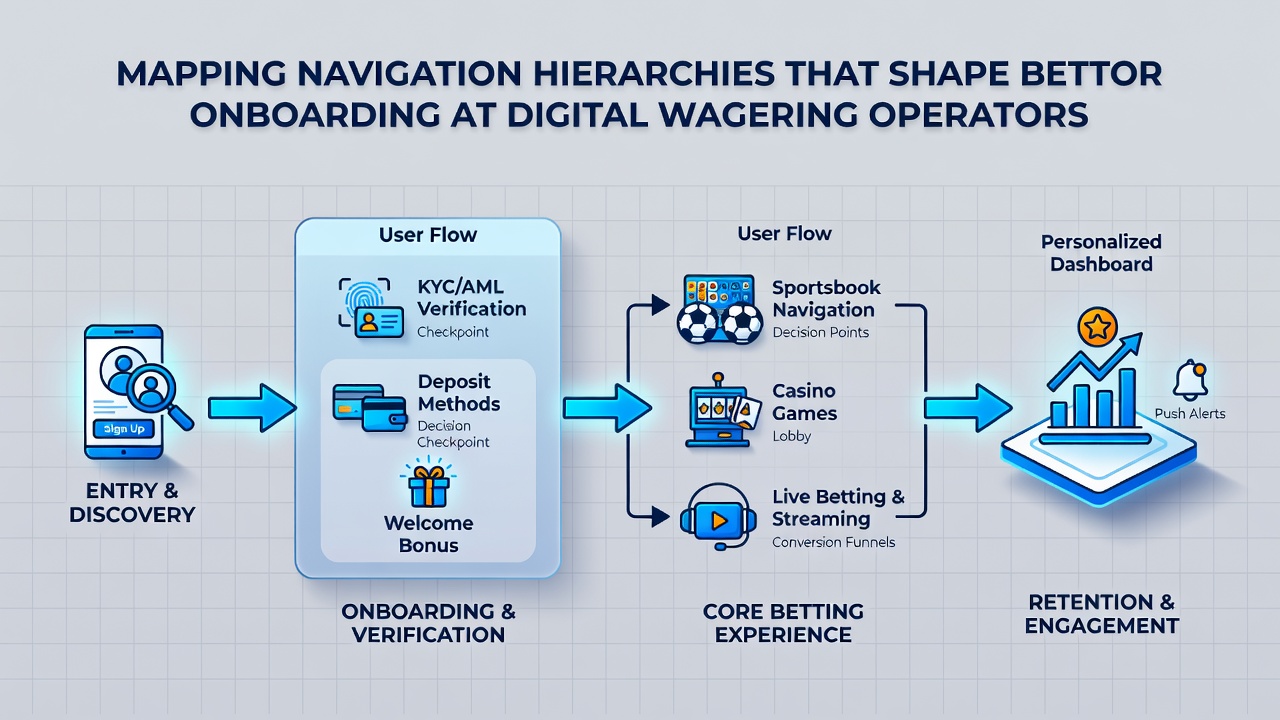
Navigation hierarchies shape onboarding timelines by directing visitors toward verification tools early in their journey, and operators in markets preparing for expanded 2026 tournament wagering have adjusted footer indexes to include direct links to identity confirmation portals. Those who've examined registration data across North American and European platforms report that layered category listings for sports and events often serve as quiet connectors, moving users from general interest pages into account creation sequences without requiring multiple returns to the homepage.
One analysis released in late 2026 highlighted how certain operators embed registration calls-to-action within live odds tables, creating additional pathways that complement traditional menu structures while maintaining visual consistency. Data collected by research groups affiliated with the European Gaming and Betting Association indicates these embedded prompts contribute to higher completion rates when combined with clear progress indicators that show users exactly where they stand in the verification process.
Regional Variations in Structural Approaches
Platforms licensed in different regions apply distinct hierarchy models that reflect local regulatory expectations, and Canadian operators under provincial iGaming frameworks tend to surface age verification tools within secondary navigation layers while Australian sites place similar resources in persistent footer sections. Experts tracking these differences note that such variations affect how quickly international users adapt when accessing cross-border platforms during major sporting calendars.
Industry reports from October 2026 further document that operators have refined internal linking strategies ahead of anticipated World Cup traffic spikes, with many adding tournament-specific submenus that funnel directly into account creation flows. Those monitoring conversion metrics observe that these targeted indexes help maintain momentum for users who arrive through event-focused landing pages rather than general homepage navigation.
Measurement and Optimization Practices
Operators rely on heat-mapping tools and session recordings to identify which navigation elements accelerate or hinder onboarding, and adjustments often focus on simplifying transitions between sports category listings and registration forms. Research published through university partnerships shows that reducing the number of clicks required to reach verification pages correlates with improved retention among newly registered users across multiple jurisdictions.
Continued refinement of these hierarchies remains essential as digital wagering volumes grow, particularly with expanded legal channels emerging in additional U.S. states and international markets ahead of 2026 competitions. Platforms that maintain transparent indexes while meeting regulatory standards continue to demonstrate measurable advantages in guiding visitors through initial account setup stages.
Conclusion
Navigation hierarchies at digital wagering operators function as structured frameworks that guide visitors through registration sequences, and ongoing analysis in October 2026 confirms their role in shaping efficient onboarding across varied regulatory environments. Operators continue to adjust menu placements, footer indexes, and internal links to balance compliance requirements with streamlined user pathways, supported by data from academic studies and industry associations operating in North America, Europe, and Australia. These structural choices directly influence how quickly first-time visitors transition into verified bettors on platforms preparing for heightened activity around upcoming global events.